Book Now

Wrinkles & Fine Lines

Lines and creases may appear with facial movement, at rest, or as fine changes in the skin surface.

What This Concern Looks Like

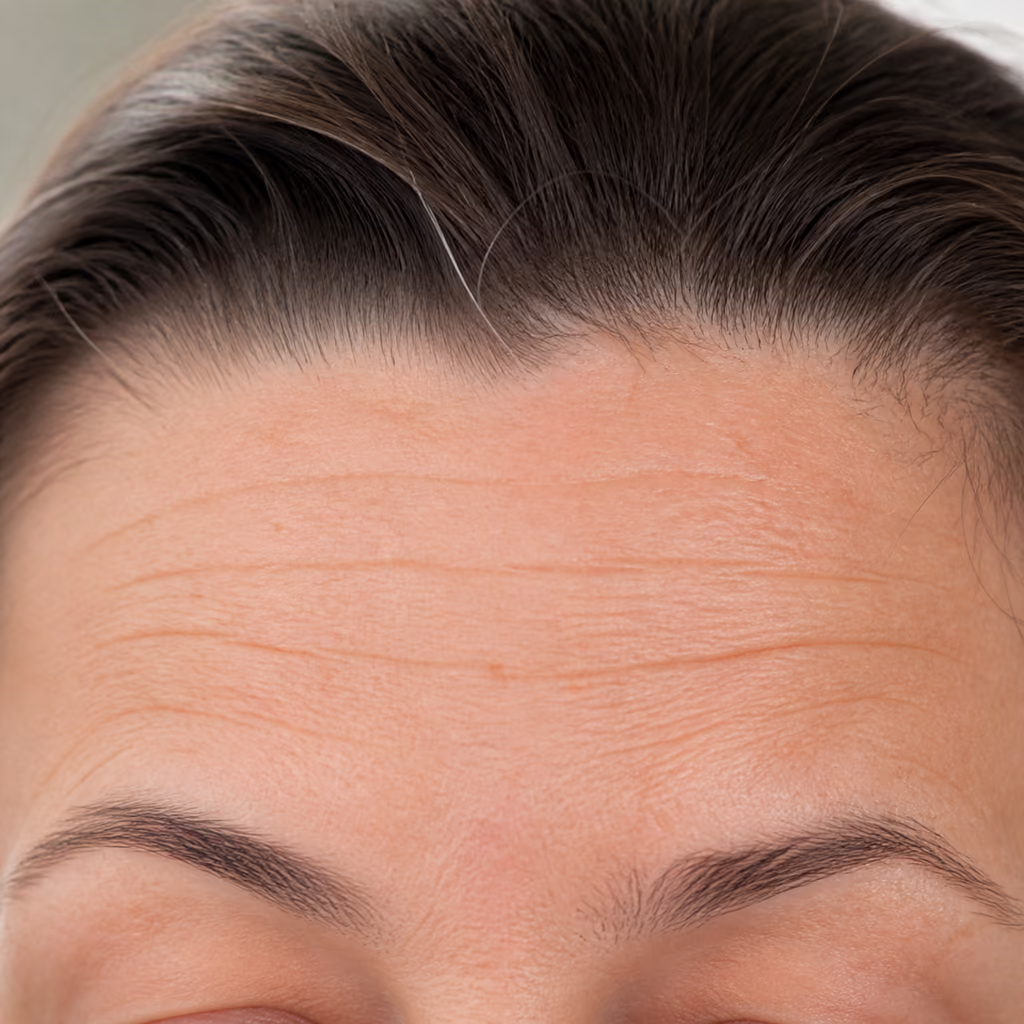
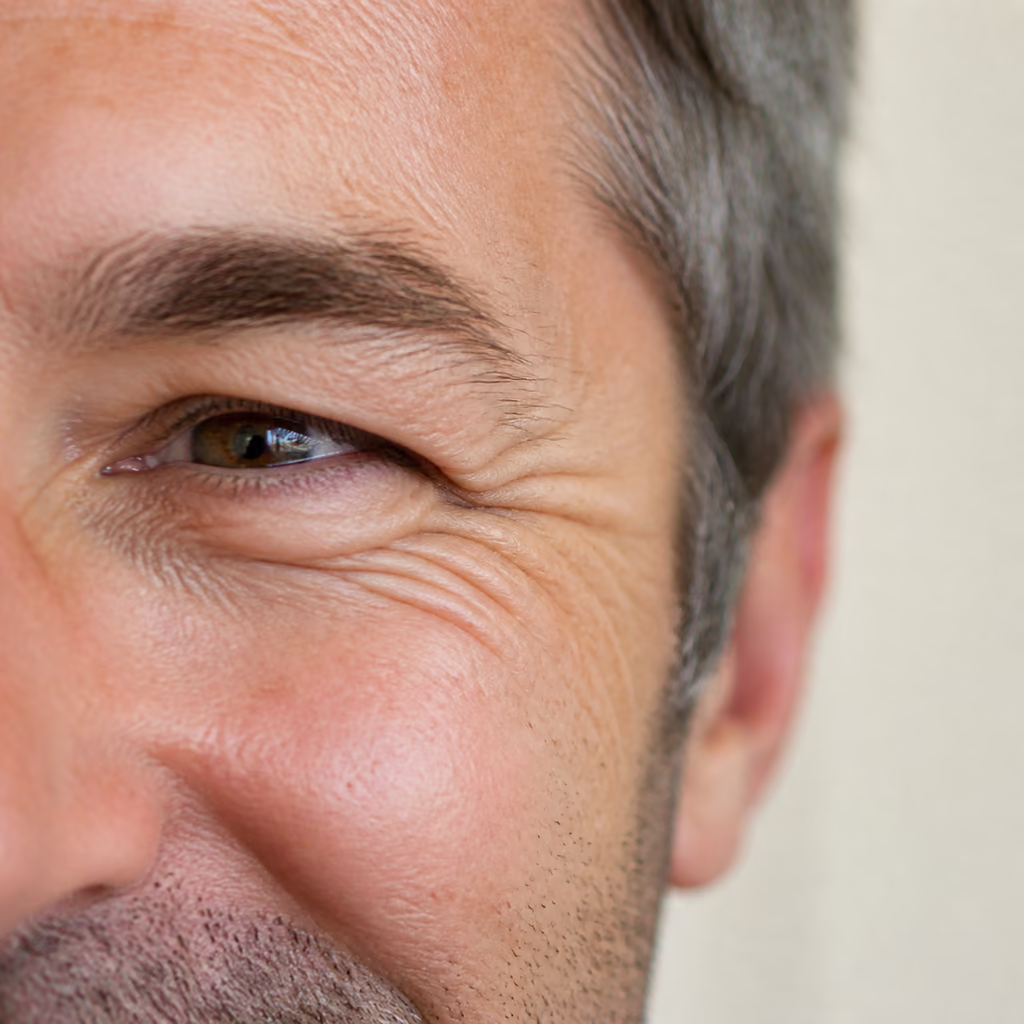
The images show static forehead lines and crow's feet, but wrinkles can occur in many areas. Their depth, location and visibility at rest vary between individuals.

AI-generated illustrative images showing two common presentations. They are not photographs of M+ patients and are not intended for self-diagnosis.

Natural horizontal forehead lines visible while the face is at rest

Static forehead lines that remain visible without raising the eyebrows.

Natural expression lines beside the eye during a gentle smile

Crow's feet created by repeated movement around the eyes.

Other Common Presentations

  • Horizontal forehead lines and vertical frown lines between the eyebrows.
  • Crow's feet beside the eyes and fine lines beneath the eyes.
  • Lines around the mouth, including vertical lip lines and smile-related creases.
  • Fine creasing on the cheeks, neck or décolletage.
  • Dynamic lines that appear with expression and static lines that remain visible at rest.

Why It Happens

Wrinkles and fine lines are the result of repeated facial movement, gradual changes in skin structure, and external factors such as sun exposure.

Diagram of facial movement creating skin folds

Dynamic movement gradually leaving static lines

Repeated facial movement

Every time we frown, smile or squint, the underlying muscles fold the skin. Over many years, these repeated folds can leave visible creases, first with movement and later at rest.

Gradual collagen and elastin decline

From our mid-20s onwards, the skin’s supportive proteins naturally decrease. The surface becomes thinner and less elastic, which makes lines and creases more likely to remain visible.

Sun exposure and environmental stress

UV exposure, pollution and smoking can accelerate changes in collagen and elastin. This can make wrinkles appear earlier or more pronounced than expected for age alone.

Individual anatomy and expression patterns

Some people naturally have stronger facial muscles or more expressive habits. This can focus creasing in certain regions such as the frown area, forehead or around the eyes.

Why People May Seek Advice

Wrinkles are a normal part of facial movement and ageing. Some people seek advice because a particular line or change no longer feels consistent with their preferences.

Visible at rest

A line that once appeared only with movement may gradually remain visible when the face is relaxed.

Skin texture

Fine surface creasing can change how skincare or makeup sits on the skin.

Expression and personal preference

Some people feel that prominent lines affect how their neutral expression is perceived; others are comfortable leaving them untreated.

Common Patterns and Contributing Factors

Everyone develops some degree of facial lines over time. When and where they appear depends on anatomy, movement patterns, skin characteristics and cumulative exposure.

Facial movement

Repeated smiling, frowning, squinting and speaking fold the skin in predictable areas.

Skin structure and age

Gradual changes in collagen, elastin and hydration make creases more likely to remain visible at rest.

Sun and smoking exposure

Cumulative UV exposure and smoking can accelerate visible changes in skin quality.

Individual anatomy

Muscle strength, facial shape, genetics and skin thickness influence each person's pattern.

Home Care

Home care cannot remove established wrinkles, but it can support hydration and help limit avoidable UV-related change.

  • Use broad-spectrum sunscreen daily and reapply when outdoors.
  • Choose a gentle moisturiser that supports your skin barrier.
  • Avoid smoking and repeated unprotected sun exposure.
  • Ask a qualified professional before introducing stronger active skincare, particularly if your skin is sensitive or you are pregnant or breastfeeding.

How We Assess and Help

We assess whether the main concern relates to movement, surface texture, skin laxity or a combination before discussing suitable categories of care.

Pattern-based assessment

We review the face at rest and with expression rather than treating an isolated line from a photograph.

Natural movement

Any plan should respect facial expression, proportions and your preference for subtle or more visible change.

Proportionate planning

Skincare, skin treatments and other options are considered only where relevant to the type of line.

Clear expectations

We discuss limitations, maintenance and variability before treatment is considered.

Assessment, Safety and Next Steps

A consultation is used to understand your concern, relevant history and goals before any options are discussed. An appointment does not commit you to treatment.

  • We assess the visible pattern, skin or tissue condition and factors that may affect suitability.
  • Suitable options, alternatives, limitations, likely downtime and relevant risks are discussed before you decide.
  • Recommendations are individualised; results and the number of sessions required vary between people.
  • If the concern may need medical investigation or sits outside our scope, we may recommend another healthcare professional.

What to Expect at Consultation

1. Understand your concern

We discuss what you have noticed, your goals, relevant history, current products or treatments, and any symptoms or triggers.

2. Clinical assessment

Your clinician assesses the visible pattern and relevant skin, tissue or structural factors that may influence suitability.

3. Discuss suitable options

Where appropriate, we explain possible options, alternatives, limitations, relevant risks, likely downtime and costs without pressure to proceed.

4. Plan and follow-up

Treatment is planned only if it is suitable and you wish to proceed. We explain preparation, aftercare and review timing when relevant.

Ready to understand your skin concerns more clearly?

Book a consultation to explore suitable pathways with our clinical team.

Have questions? Click here to contact us.