
Genetic fat distribution
Body shape is largely predetermined, and some people naturally store more fullness in specific areas.
Localised fullness and softer contours may reflect fat distribution, skin laxity, muscle tone or natural anatomy.
The images show lower-abdominal and upper-arm fullness. Other concerns may involve the flanks, thighs, submental area, skin laxity or asymmetry.
AI-generated illustrative images showing two common presentations. They are not photographs of M+ patients and are not intended for self-diagnosis.
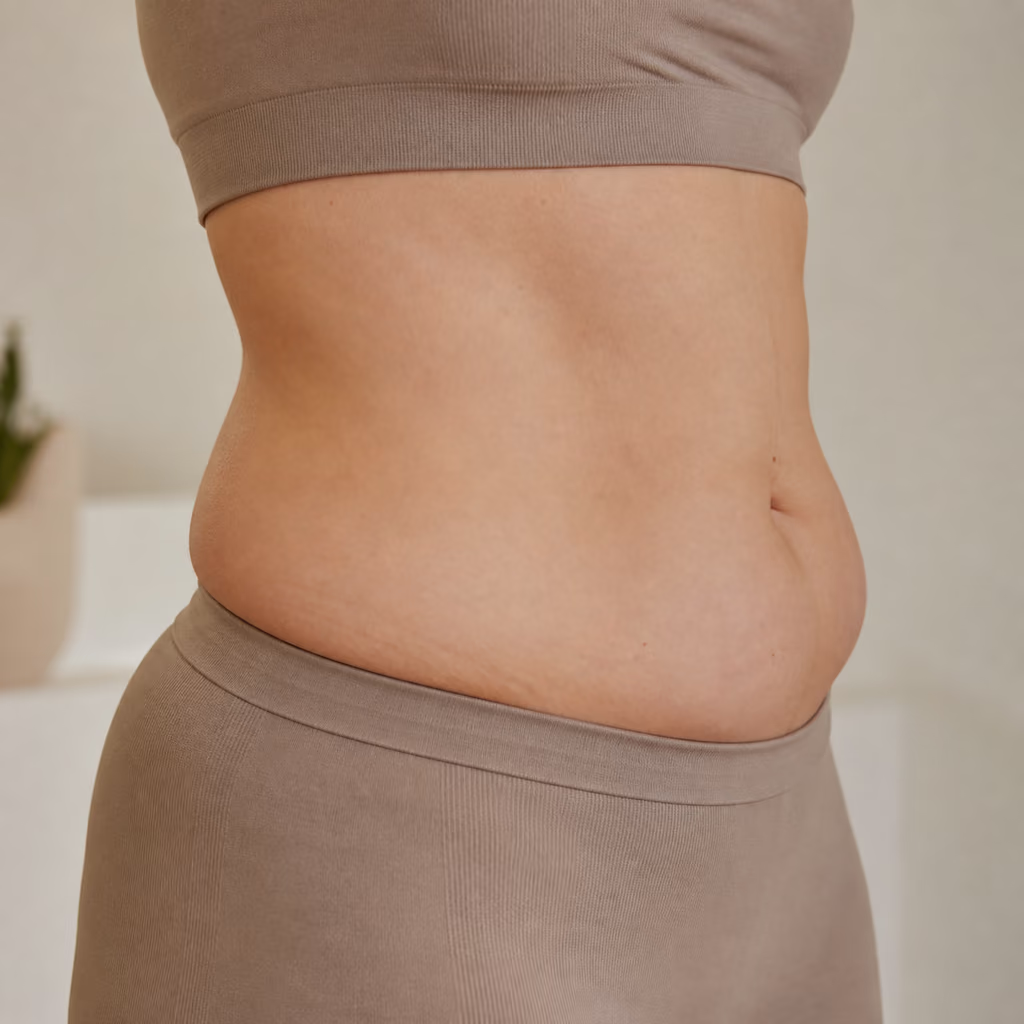
Lower-abdominal contour reflects fat distribution, skin, posture and underlying anatomy.
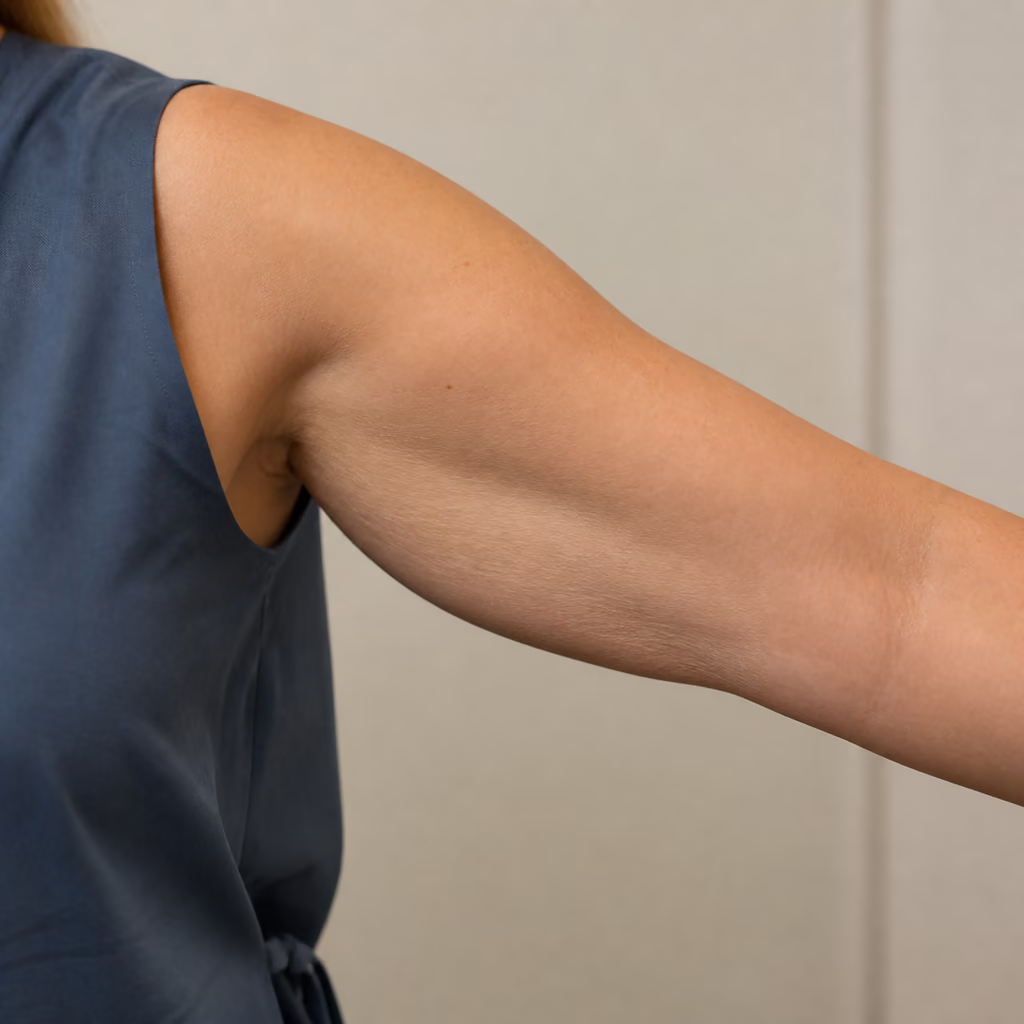
Upper-arm contour may involve both subcutaneous fullness and skin laxity.
Body contour changes arise from natural fat-distribution patterns, hormonal influences, ageing processes and lifestyle factors. Some regions are inherently more resistant to change than others.
Body shape is largely predetermined, and some people naturally store more fullness in specific areas.

Hormone-driven distribution patterns
Hormone fluctuations can shift where the body prefers to store or release fat.
With time, the balance between fat, muscle and connective tissue shifts, making contours softer or less defined.
Sleep, stress and activity patterns influence how the body manages energy and where fullness appears.
Lower tone in certain muscle groups may reduce silhouette definition around those areas.
Body shape varies normally. Assessment is useful for separating a local contour goal from concerns better addressed through medical weight management, physiotherapy or another pathway.
Fat, loose skin, muscle tone and abdominal wall changes cannot be treated as the same issue.
Non-surgical contouring is not a substitute for healthy habits, obesity care or surgery when those are the appropriate options.
Treatment is optional and should not be framed as a requirement for confidence or health.
People of any body size may have localised contour concerns. Genetics, age, pregnancy and weight history can influence where fullness or laxity appears.
Genetics and hormones influence where subcutaneous fat is stored.
Changes in fat volume and skin stretch can alter contour, sometimes alongside muscle separation that needs separate assessment.
Skin elasticity and body composition gradually change over time.
A specific area may remain proportionally fuller even with consistent lifestyle habits.
Lifestyle supports general health and weight stability but cannot guarantee change in a genetically determined local contour.
Seek medical assessment for a new lump, one-sided swelling, pain, rapid unexplained body change or symptoms suggesting an abdominal wall or other health problem.
We assess the target area, skin quality, tissue type, health history and goals to clarify whether local contour treatment or another pathway is more appropriate.
We distinguish localised subcutaneous fullness from laxity, muscle-related change and overall weight concerns.
Medical history, medications and relevant contraindications are reviewed before treatment is considered.
Non-surgical treatments generally create gradual, limited contour change rather than weight loss.
Medical, allied-health or surgical advice may be more suitable for some concerns.
A device-based option considered for selected localised body contour concerns.
A separate medical pathway for people seeking assessment of overall weight management.
A supportive service for selected comfort or recovery goals; it is not a fat-loss treatment.
A consultation is used to understand your concern, relevant history and goals before any options are discussed. An appointment does not commit you to treatment.
We discuss what you have noticed, your goals, relevant history, current products or treatments, and any symptoms or triggers.
Your clinician assesses the visible pattern and relevant skin, tissue or structural factors that may influence suitability.
Where appropriate, we explain possible options, alternatives, limitations, relevant risks, likely downtime and costs without pressure to proceed.
Treatment is planned only if it is suitable and you wish to proceed. We explain preparation, aftercare and review timing when relevant.
Book a consultation to explore suitable pathways with our clinical team.
Have questions? Click here to contact us.