Book Now

Volume Loss & Facial Sagging

Changes in support beneath the skin can create hollowing, deeper shadows, softer contours or skin laxity.

What This Concern Looks Like

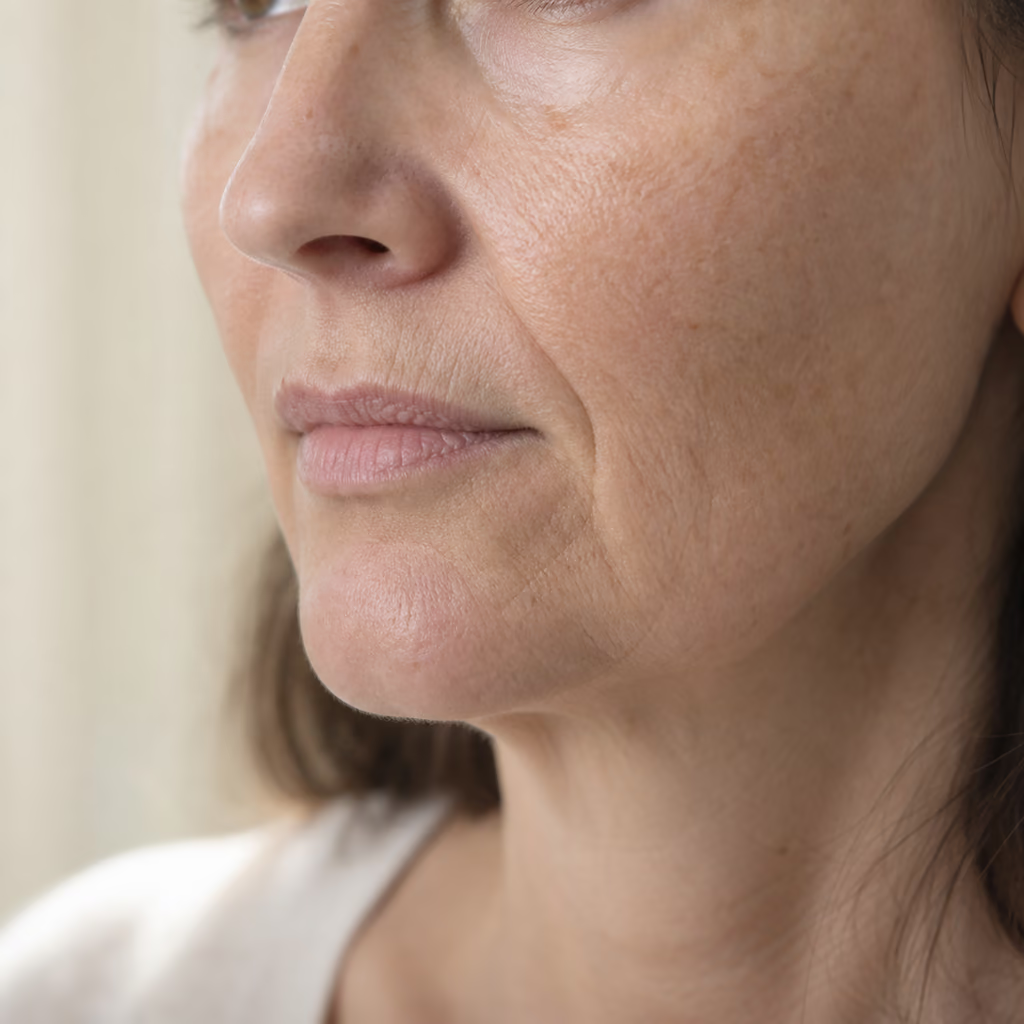
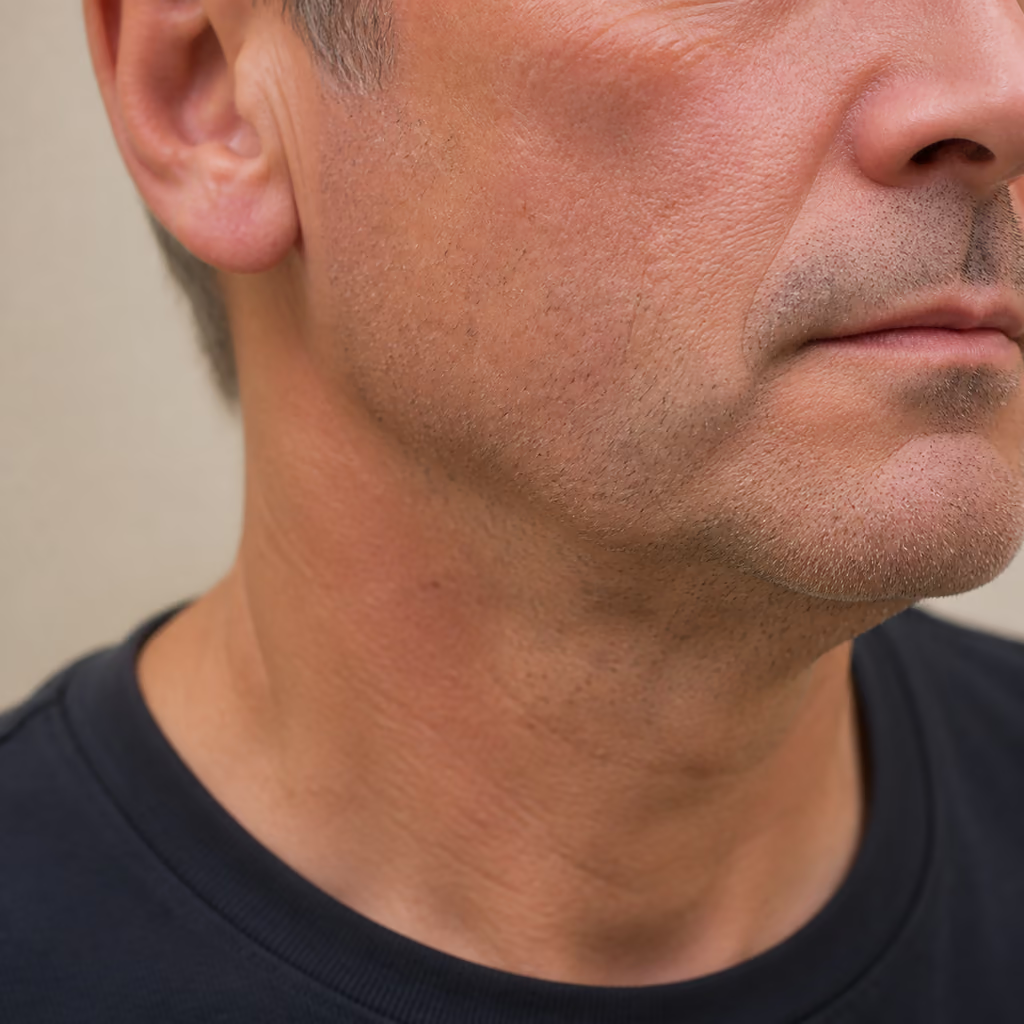
The images show mid-face flattening and a softened jawline. Other patterns may involve the temples, under-eyes, lower face or several areas together.

AI-generated illustrative images showing two common presentations. They are not photographs of M+ patients and are not intended for self-diagnosis.

Natural flattening of the upper cheek with a deeper nasolabial fold

Mid-face volume redistribution can reduce cheek projection and deepen nearby shadows.

Early jowling and softer definition along the lower jaw

Changes in tissue support may make the jawline appear less defined.

Other Common Presentations

  • Flatter cheeks or reduced mid-face projection.
  • Hollowing at the temples or beneath the eyes.
  • Deeper nasolabial folds or marionette lines.
  • Softening of the jawline or early jowling.
  • Changes around the mouth, chin or lower face.
  • A combination of volume redistribution, skin laxity and altered structural support.

Why It Happens

Sagging occurs when the deep structural layers of the face lose support over time. This includes fat compartments, ligaments, bone and collagen within the skin.

Diagram of facial fat compartments shifting with age

Fat pads deflating and descending

Natural changes in facial fat pads

The face contains multiple deep and superficial fat compartments. With age, some deflate while others descend. This redistribution contributes to hollowing in some areas and heaviness in others.

Support ligaments becoming looser

Facial ligaments hold the overlying tissues in place. Over time they stretch, reducing support and contributing to sagging, folds and early jowling.

Bone resorption in the mid-face and jaw

Facial bones subtly recede with age, especially around the cheeks, temples and chin. This reduces the structural projection that once held tissues upward.

Collagen and elastin decline

Skin becomes thinner and less elastic, making sagging more visible and making folds look deeper.

Genetics and expression patterns

Some individuals naturally lose support earlier or show volume changes more prominently in certain areas such as the under-eyes or mid-face.

Why People May Seek Advice

Facial volume loss and laxity are normal changes. Advice may be useful when someone wants to understand which layer is creating a particular contour or shadow.

Changing contours

Cheeks, temples and jawline may look different as support is redistributed.

Shadows and folds

Hollowing or tissue descent can deepen shadows and existing folds without being caused by tiredness.

Treatment planning

Treating an isolated fold without assessing surrounding support may not address the main contributor.

Common Patterns and Contributing Factors

These changes are common with age, but the timing and pattern vary considerably and can also follow weight change.

Natural ageing

Fat compartments, bone, ligaments and skin gradually change in different ways.

Facial anatomy

People with leaner faces or particular bone structure may notice hollowing or softening earlier.

Weight change

Significant weight loss or repeated fluctuation can alter facial fullness and skin support.

Sun and lifestyle exposure

UV exposure and smoking can contribute to skin laxity, although they do not explain every structural change.

Home Care

Skincare cannot replace deeper facial volume, but daily protection can support the quality of the overlying skin.

  • Use broad-spectrum sunscreen daily.
  • Choose moisturising skincare suited to your skin barrier.
  • Avoid smoking and large, repeated weight fluctuations where possible.
  • Seek personalised advice before using strong active products on sensitive skin.

How We Assess and Help

We assess facial structure, volume distribution, skin quality and movement together before discussing whether any treatment is appropriate.

Whole-face assessment

We examine relationships between the mid-face, temples, lower face and jawline rather than chasing individual folds.

Natural proportions

Recommendations are guided by your existing anatomy and preferences, without assuming that every age-related change needs treatment.

Layer-specific options

Different approaches address skin quality, laxity and structural support; one option cannot treat every contributor.

Conservative planning

A staged plan may be preferred where several areas or tissue layers are involved.

Assessment, Safety and Next Steps

A consultation is used to understand your concern, relevant history and goals before any options are discussed. An appointment does not commit you to treatment.

  • We assess the visible pattern, skin or tissue condition and factors that may affect suitability.
  • Suitable options, alternatives, limitations, likely downtime and relevant risks are discussed before you decide.
  • Recommendations are individualised; results and the number of sessions required vary between people.
  • If the concern may need medical investigation or sits outside our scope, we may recommend another healthcare professional.

What to Expect at Consultation

1. Understand your concern

We discuss what you have noticed, your goals, relevant history, current products or treatments, and any symptoms or triggers.

2. Clinical assessment

Your clinician assesses the visible pattern and relevant skin, tissue or structural factors that may influence suitability.

3. Discuss suitable options

Where appropriate, we explain possible options, alternatives, limitations, relevant risks, likely downtime and costs without pressure to proceed.

4. Plan and follow-up

Treatment is planned only if it is suitable and you wish to proceed. We explain preparation, aftercare and review timing when relevant.

Ready to understand your skin concerns more clearly?

Book a consultation to explore suitable pathways with our clinical team.

Have questions? Click here to contact us.