
Natural volume changes
Loss of support beneath the eyes can deepen shadows and create hollowness, especially in the tear trough region.
Under-eye darkness can come from colour in the skin, visible vessels, puffiness, hollowness or a combination.
The images show diffuse dark circles and structural tear-trough hollowing. Other presentations include puffiness, fine creasing, pigmentation and allergy-related irritation.
AI-generated illustrative images showing two common presentations. They are not photographs of M+ patients and are not intended for self-diagnosis.
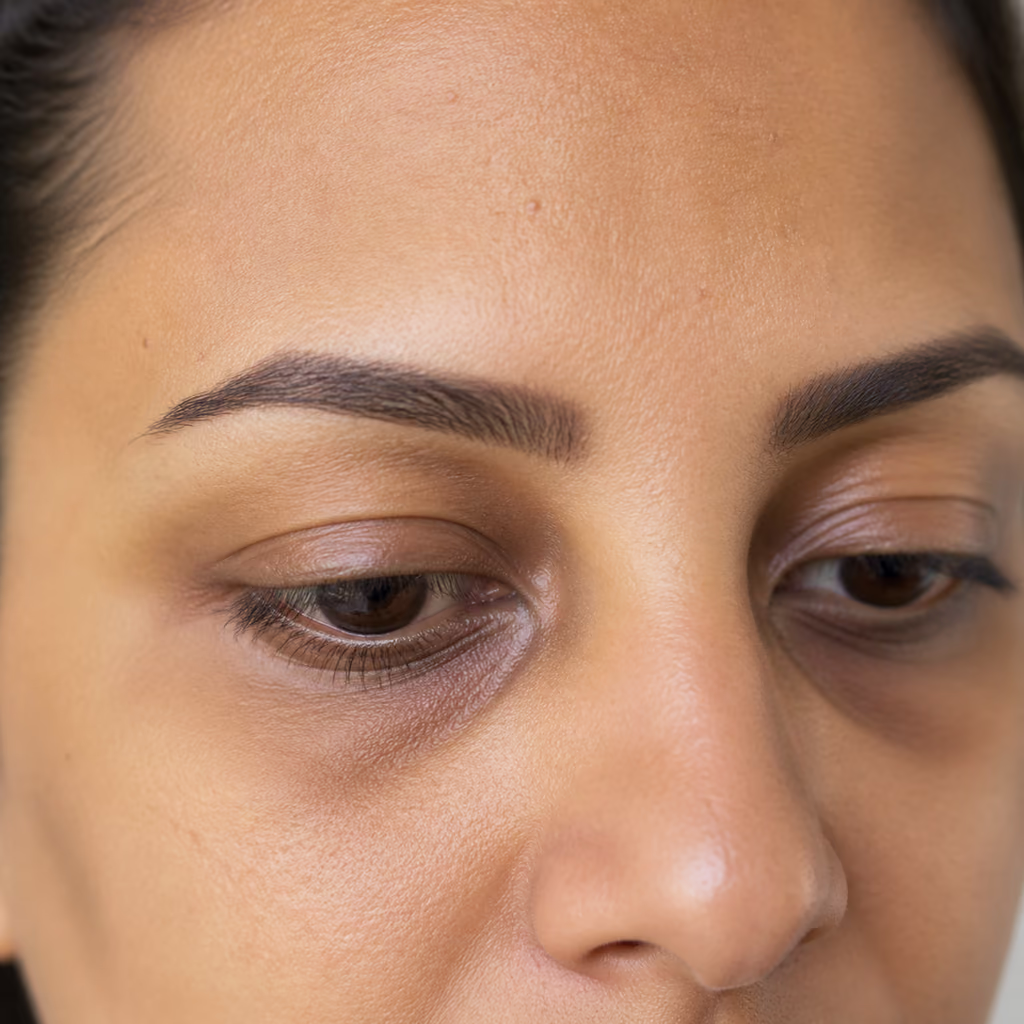
Dark circles may reflect pigment, visible vessels or both; appearance alone cannot confirm the cause.
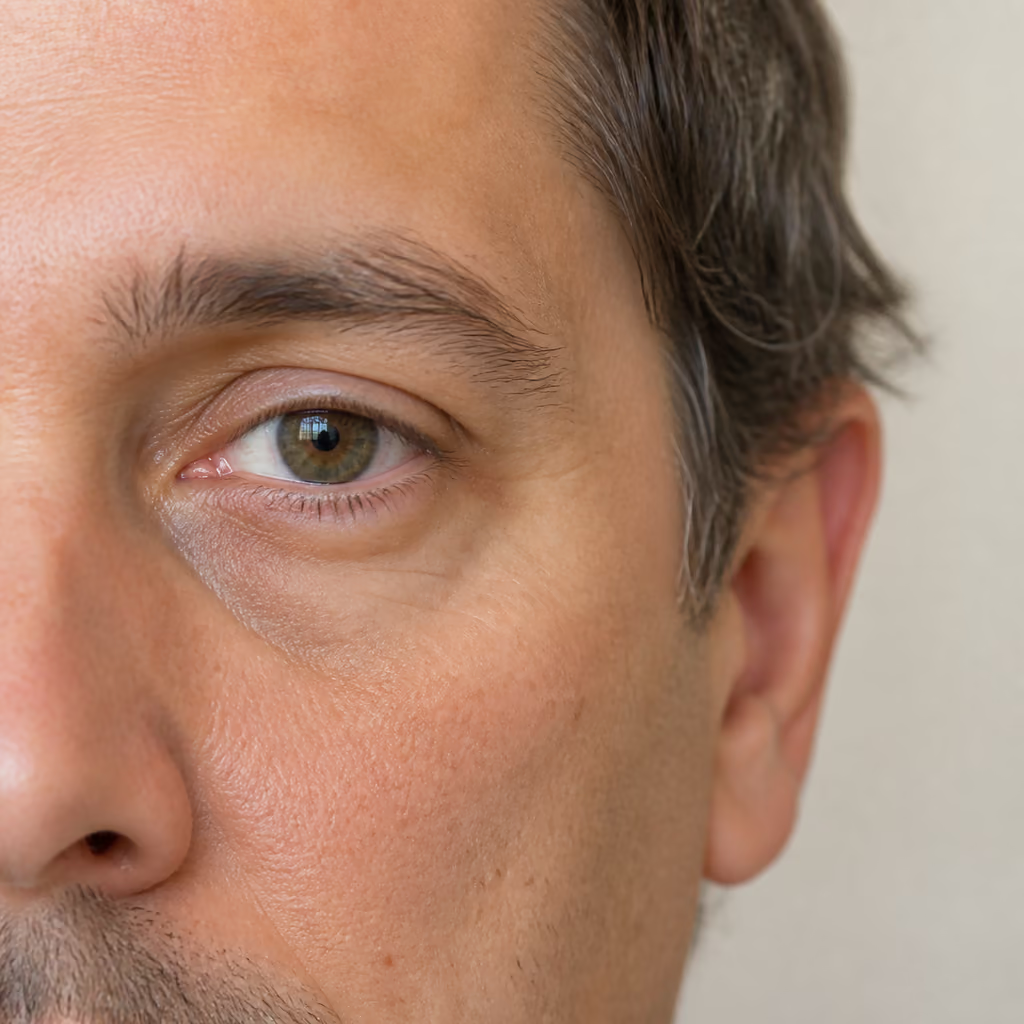
A structural hollow can cast a shadow even when the skin itself is not darker.
Dark circles and tired-looking eyes arise from a combination of structural, vascular, pigment and lifestyle factors. Different causes create similar visible effects.
Loss of support beneath the eyes can deepen shadows and create hollowness, especially in the tear trough region.
The under-eye area has some of the thinnest skin on the body, making underlying blood vessels more visible and giving a darker appearance.

Pigment-based darkening
Some individuals naturally have more pigment or hereditary darkening under the eyes, which can intensify with sun exposure or inflammation.
Lifestyle factors can worsen darkness, swelling or creasing, especially after poor sleep or long periods of screen use.
Chronic eye rubbing or allergies can lead to irritation, vascular congestion and increased pigmentation.
Dark circles are usually a cosmetic concern, but identifying the dominant cause helps avoid unsuitable treatment and unrealistic expectations.
Pigment, vessels, puffiness and hollowing do not respond to the same approach.
Swelling and surface dryness may fluctuate, while structural shadows are more consistent.
The eye area requires conservative assessment because the skin is thin and nearby structures are important.
Dark circles affect people of all ages and skin tones. Genetics and anatomy are often important, while sleep may temporarily change their appearance.
Under-eye colouring, skin thickness and hollowing often run in families.
Congestion, irritation and repeated rubbing can increase swelling or pigment change.
Sleep, fluid balance, salt intake and illness may alter swelling from one day to another.
Skin and underlying support gradually change, which can make vessels or shadows more visible.
Home care may reduce dryness, irritation or temporary puffiness, but it cannot change every structural or inherited cause.
Seek prompt medical advice for sudden or one-sided swelling, pain, redness, discharge, a new lump or any change in vision.
We assess colour, skin quality, puffiness and structural shadow separately before discussing whether an option is likely to address the main concern.
We distinguish pigment, vascular visibility, fluid-related puffiness and hollowing where possible.
Cheek support, eyelid anatomy and skin condition can all affect the under-eye appearance.
The delicate eye region requires careful selection and realistic goals.
Some inherited or mixed dark circles can be softened but not fully removed.
Assessment of pigment, skin quality and appropriate next steps.
Consultation-led options that may be considered for selected skin-quality concerns.
An energy-based option considered for selected eye-area texture concerns.
Focused ultrasound that may be considered for selected support or laxity concerns.
A consultation is used to understand your concern, relevant history and goals before any options are discussed. An appointment does not commit you to treatment.
We discuss what you have noticed, your goals, relevant history, current products or treatments, and any symptoms or triggers.
Your clinician assesses the visible pattern and relevant skin, tissue or structural factors that may influence suitability.
Where appropriate, we explain possible options, alternatives, limitations, relevant risks, likely downtime and costs without pressure to proceed.
Treatment is planned only if it is suitable and you wish to proceed. We explain preparation, aftercare and review timing when relevant.
Book a consultation to explore suitable pathways with our clinical team.
Have questions? Click here to contact us.