

UV-triggered melanin activity
Long-term sun exposure
UV radiation stimulates melanin production, leading to freckles, sunspots and overall darkening of exposed areas.
Pigmentation can appear as small spots, broader patches or marks that remain after inflammation.
The images show sun-related spots and a melasma-like patch. Other presentations include freckles, post-acne marks and more general uneven tone.
AI-generated illustrative images showing two common presentations. They are not photographs of M+ patients and are not intended for self-diagnosis.
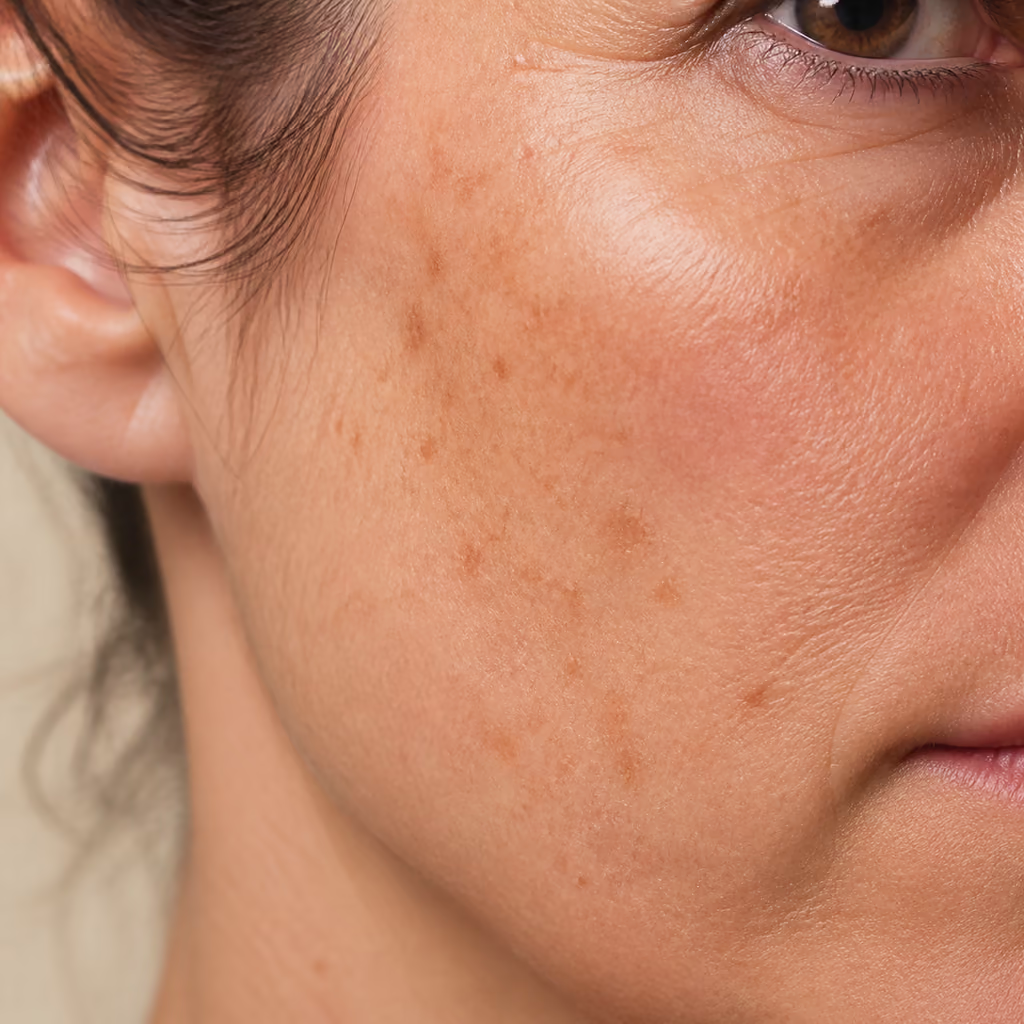
Sun-related pigmentation often appears on areas with cumulative UV exposure.
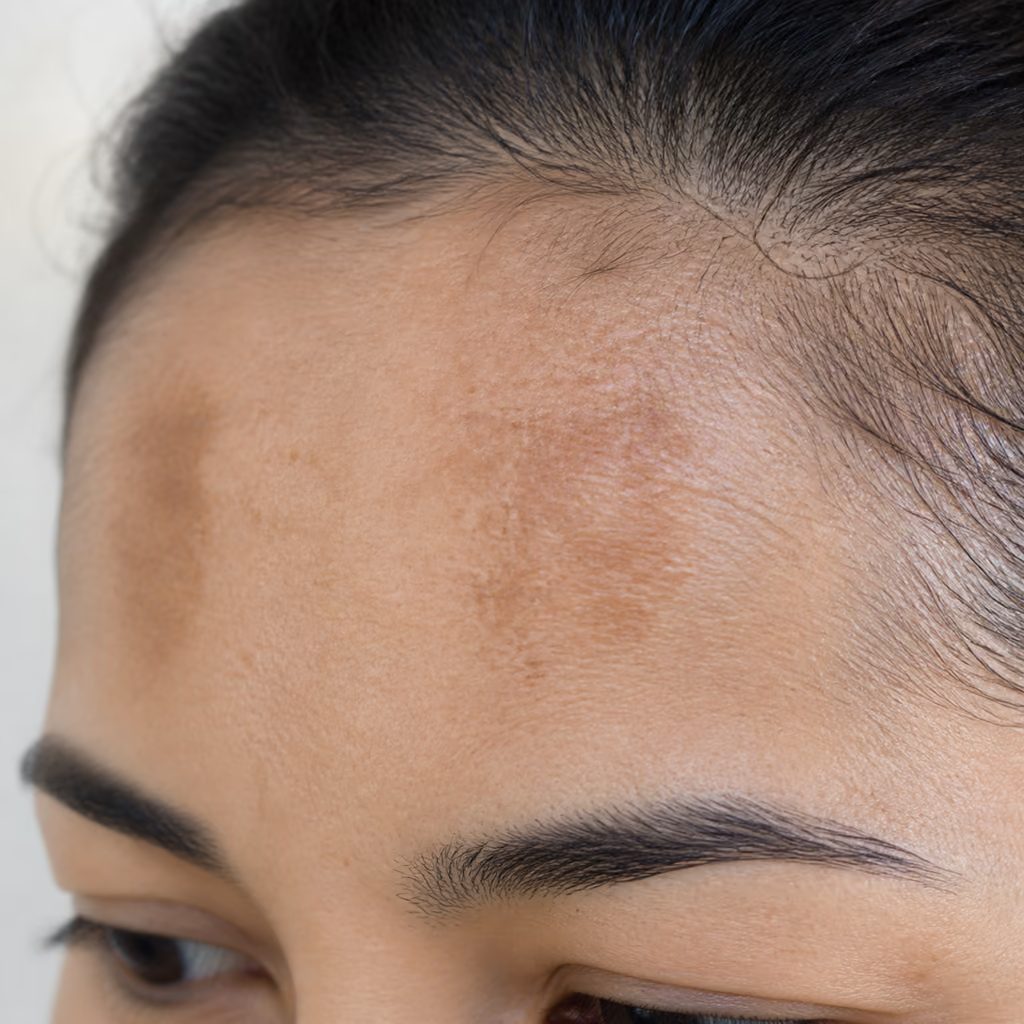
A melasma-like pattern is usually broader and less sharply defined than an isolated spot.
Uneven tone results from excess melanin activity triggered by UV exposure, inflammation, hormones, genetics, or skin injury.
UV-triggered melanin activity
UV radiation stimulates melanin production, leading to freckles, sunspots and overall darkening of exposed areas.
Hormone shifts can trigger pigment-producing cells, leading to larger patches such as melasma, typically on the cheeks, forehead or upper lip.
After acne, eczema or injury, the skin may deposit excess pigment as part of healing, leaving dark marks that persist.
Some people naturally have more active pigment-producing cells or develop pigmentation more easily in certain areas.
Heat, rubbing or chronic irritation can worsen pigmentation in sensitive individuals.
Most uneven pigmentation is not urgent, but correct identification matters because different patterns respond differently and some lesions should not be treated cosmetically.
Sunspots, melasma and post-inflammatory marks can overlap visually but require different management.
Excess heat, irritation or unsuitable treatment may deepen some forms of pigmentation.
Pigmentation can recur, so sun protection and maintenance are often central to care.
Pigmentation can affect any skin tone. The pattern is influenced by UV exposure, inflammation, hormones, genetics and skin response.
Freckles and sunspots commonly develop on areas exposed to UV over time.
Pregnancy, some hormonal medicines and individual susceptibility may contribute to melasma.
Acne, eczema, injury and irritation may leave post-inflammatory colour change, especially in deeper skin tones.
Some pigment patterns can worsen when the skin is inflamed or repeatedly exposed to heat.
Daily sun protection and a calm skin barrier are the foundations of pigmentation care.
A new or changing spot, an irregular lesion, bleeding, persistent itching or a lesion that looks different from your others should be assessed by a GP or dermatologist before cosmetic treatment.
We assess the pattern, likely triggers, skin tone and sensitivity before discussing whether cosmetic treatment is suitable.
We do not assume that every brown mark is the same type of pigmentation.
Treatment is unlikely to remain effective without consistent UV protection.
A cautious approach is important where heat or inflammation may worsen pigment.
Improvement is usually gradual and recurrence can occur.
Assessment of pigmentation pattern, current skincare and appropriate next steps.
A light-based option that may be considered for selected pigment patterns after assessment.
A laser option considered for selected skin and pigment concerns.
Customised treatment supporting the skin barrier and an even-looking complexion.
A consultation is used to understand your concern, relevant history and goals before any options are discussed. An appointment does not commit you to treatment.
We discuss what you have noticed, your goals, relevant history, current products or treatments, and any symptoms or triggers.
Your clinician assesses the visible pattern and relevant skin, tissue or structural factors that may influence suitability.
Where appropriate, we explain possible options, alternatives, limitations, relevant risks, likely downtime and costs without pressure to proceed.
Treatment is planned only if it is suitable and you wish to proceed. We explain preparation, aftercare and review timing when relevant.
Book a consultation to explore suitable pathways with our clinical team.
Have questions? Click here to contact us.