
Overactive sympathetic response
Some individuals have heightened nerve signalling to the sweat glands, causing sweating to occur more easily or intensely.
Excessive sweating may occur in specific areas even when the environment or activity level would not normally explain it.
The images show underarm and palm sweating. Hyperhidrosis may also affect the soles, face, scalp or several areas together.
AI-generated illustrative images showing two common presentations. They are not photographs of M+ patients and are not intended for self-diagnosis.
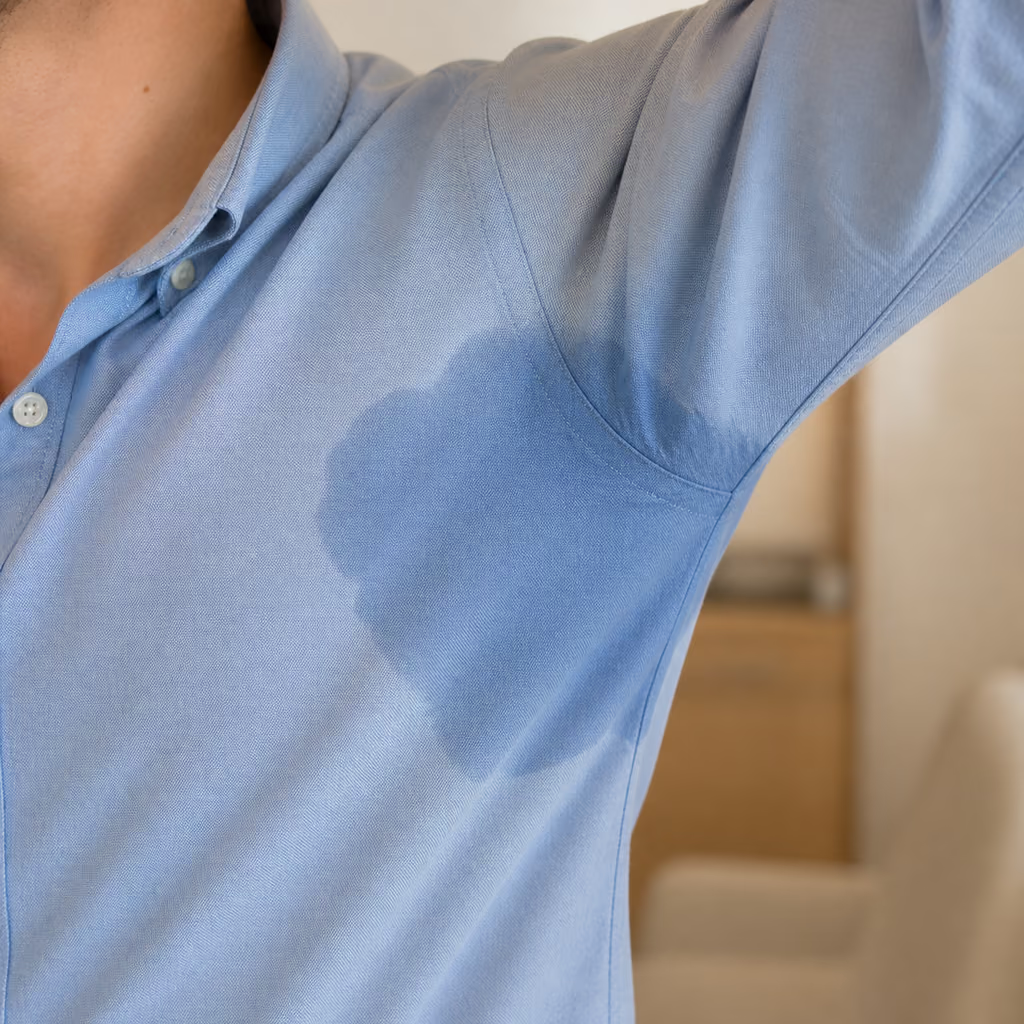
Underarm hyperhidrosis can cause visible dampness that is disproportionate to heat or activity.
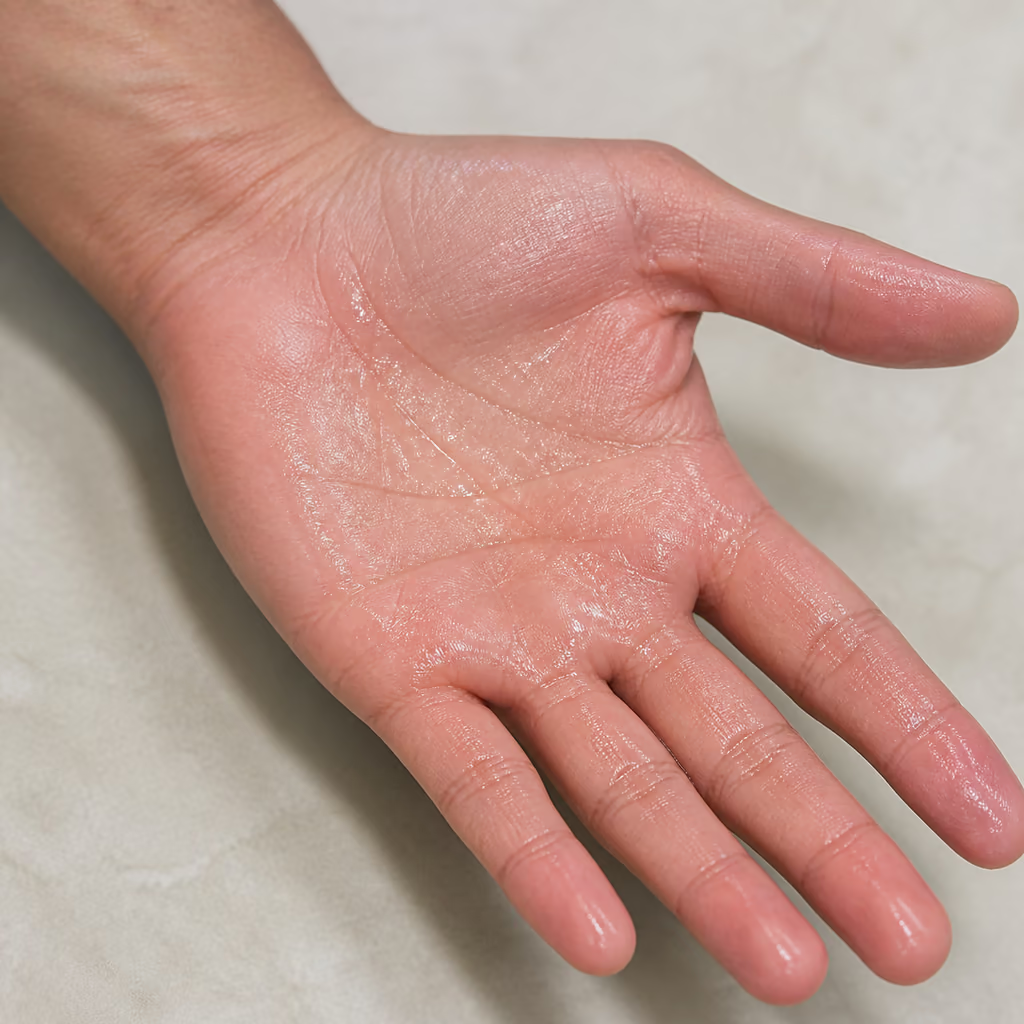
Palmar hyperhidrosis can affect grip, writing and handling objects.
Hyperactive sweat glands can be driven by the nervous system, genetics, heat sensitivity or lifestyle factors. In many cases, sweating occurs without a clear trigger and is not related to temperature or physical activity.
Some individuals have heightened nerve signalling to the sweat glands, causing sweating to occur more easily or intensely.

Genetic influence on sweat distribution
Hyperhidrosis commonly runs in families, particularly underarm and palm-based patterns.
Warm environments, layers of clothing or exercise can increase sweat production disproportionately.
Public speaking, social interactions or pressure-related situations may rapidly activate sweat glands.
Certain fabrics, footwear or skincare products may trap heat or moisture, amplifying sweating.
Sweating is essential for temperature control, but excessive sweating can affect comfort, skin health and practical daily activities.
Palmar sweating may interfere with writing, devices, tools or grip.
Persistent moisture can contribute to irritation, friction or recurrent skin problems.
Underarm sweating may require frequent clothing changes or practical adaptations.
A change in pattern can be more important than the amount of sweating itself.
Primary focal hyperhidrosis often begins in childhood or early adulthood and may run in families. Secondary sweating can begin later because of a medicine or health condition.
Sweating commonly affects both underarms, palms or soles and may occur without heat or exercise.
A family history is common in people with focal hyperhidrosis.
Stress can intensify sweating, although the condition is not simply caused by anxiety.
New, generalised or night-time sweating may relate to medicines or a health condition and should be medically assessed.
Practical measures may reduce symptoms, while persistent or unexplained sweating deserves assessment.
See a GP for sweating that starts suddenly, occurs throughout the body or at night, or is accompanied by fever, unexplained weight loss, chest pain, palpitations, breathlessness or other new symptoms.
We review the sweating pattern, onset, triggers, affected areas, health history and previous measures before discussing suitable care or referral.
The distribution and timing help determine whether medical investigation should come first.
Underarms, palms, soles and the face have different practical considerations.
Medicines and relevant health conditions are reviewed as part of suitability assessment.
Available options may reduce sweating but individual response and duration vary.
A consultation is used to understand your concern, relevant history and goals before any options are discussed. An appointment does not commit you to treatment.
We discuss what you have noticed, your goals, relevant history, current products or treatments, and any symptoms or triggers.
Your clinician assesses the visible pattern and relevant skin, tissue or structural factors that may influence suitability.
Where appropriate, we explain possible options, alternatives, limitations, relevant risks, likely downtime and costs without pressure to proceed.
Treatment is planned only if it is suitable and you wish to proceed. We explain preparation, aftercare and review timing when relevant.
Book a consultation to explore suitable pathways with our clinical team.
Have questions? Click here to contact us.