
Slower surface renewal
As we age or during low-recovery periods, dead skin cells shed more slowly, creating roughness and dullness.
Reduced radiance can result from rough surface texture, dehydration, congestion or uneven light reflection.
The images show uneven surface texture and dehydration-related dullness. Other patterns include flaking, congestion, visible pores and patchy texture.
AI-generated illustrative images showing two common presentations. They are not photographs of M+ patients and are not intended for self-diagnosis.
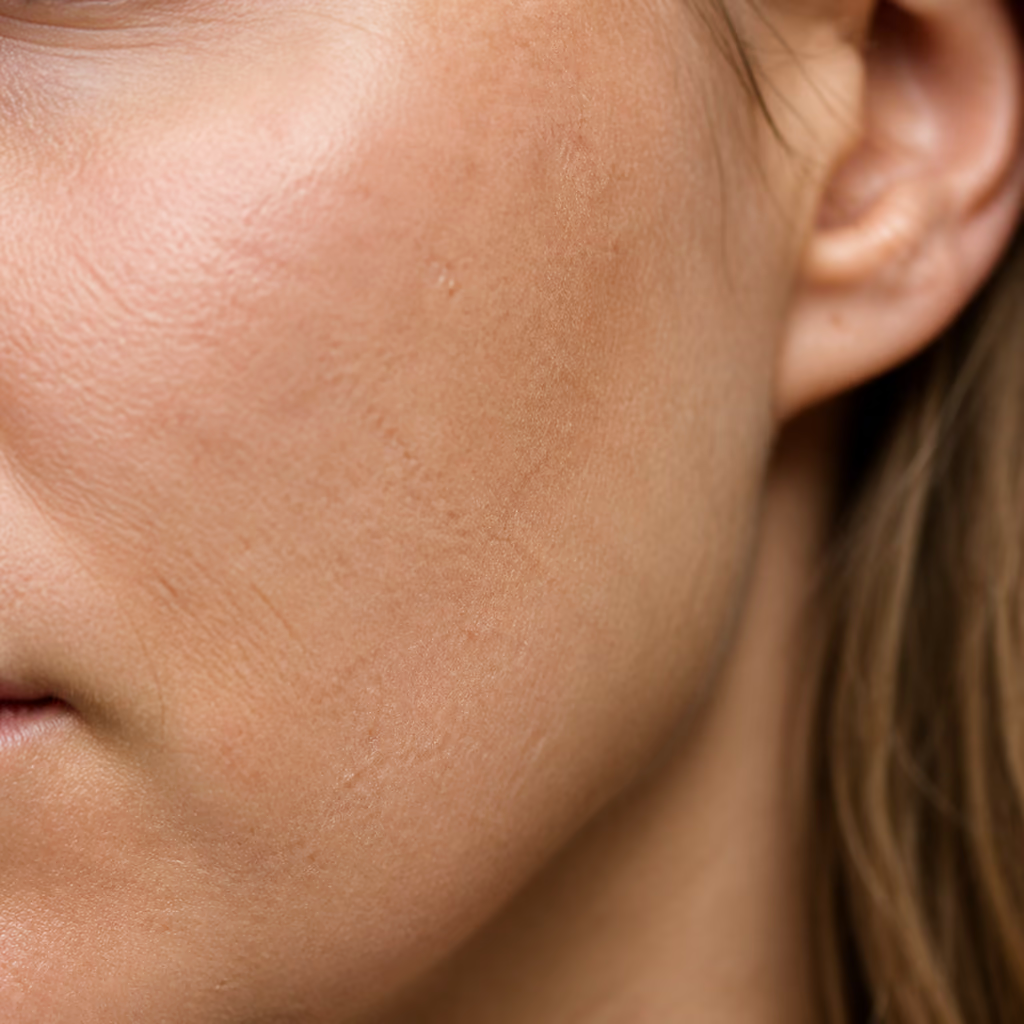
Surface roughness and visible pores can make light reflect less evenly.
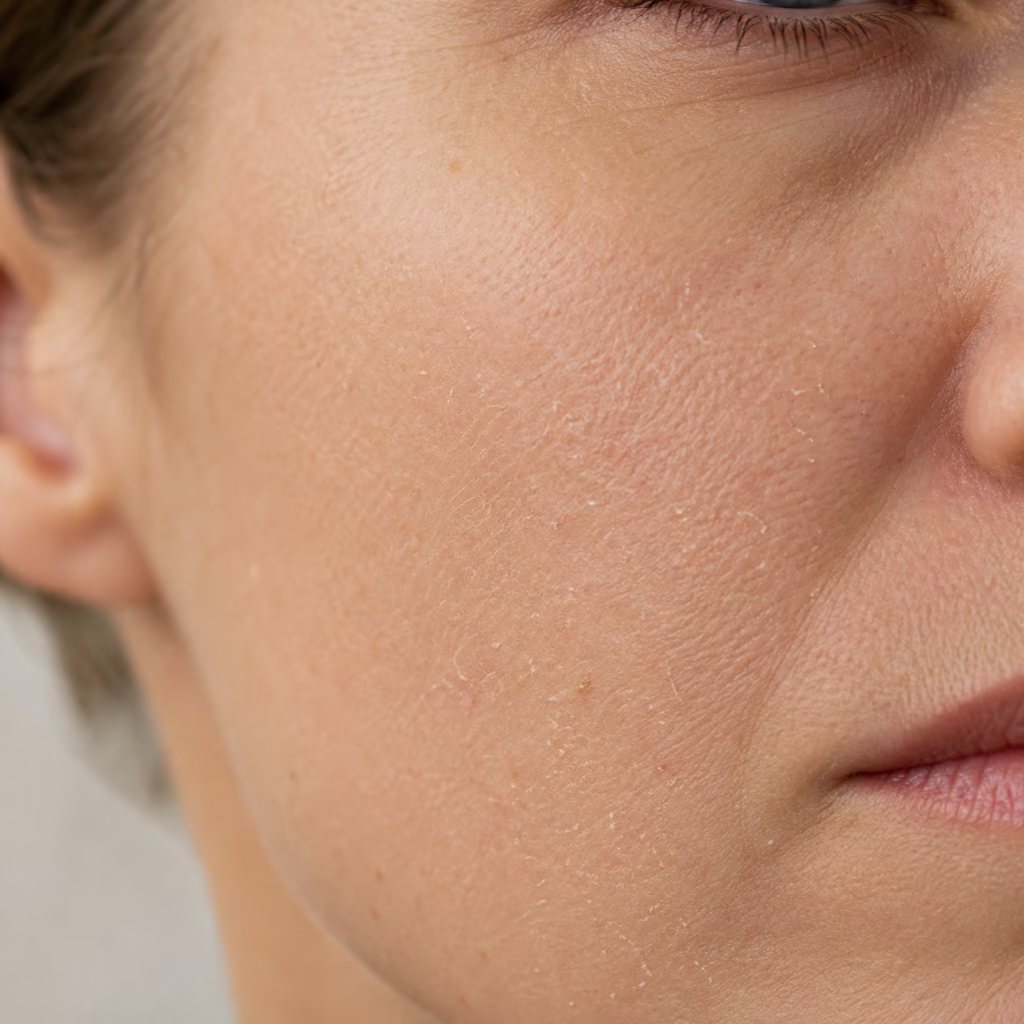
Temporary water loss from the outer skin layers can emphasise fine texture and dullness.
Texture changes happen when renewal slows, hydration declines, or external stress affects skin quality. These shifts reduce smoothness and brightness.
As we age or during low-recovery periods, dead skin cells shed more slowly, creating roughness and dullness.

Barrier changes affecting smoothness
When the skin barrier is compromised or hydration is insufficient, the surface appears rough and less reflective.
Weather changes, pollution, air conditioning, stress or poor sleep can lead to dull, uneven skin.
Heavy products, insufficient cleansing or overuse of stripping products can cause congestion and roughness.
Collagen and elastin decline over time affects firmness and smoothness, influencing how evenly the skin reflects light.
Texture and radiance are normal variables. Understanding the cause can prevent a cycle of aggressive exfoliation and further irritation.
Dryness or irritation may cause tightness, flaking or sensitivity.
Skincare and makeup may sit differently over rough or dehydrated areas.
Congestion, dehydration and scarring require different approaches even when each looks uneven.
Dullness and texture changes can affect any skin type and often fluctuate with climate, skincare, irritation and age.
Water loss and irritation can make the surface feel tight, rough or flaky.
Oil, dead skin and unsuitable products can contribute to a less even surface.
Cold weather, low humidity, air conditioning and UV exposure can affect texture.
Skin turnover and structural support change gradually with age.
Start with consistent cleansing, moisturising and sun protection before adding stronger exfoliating products.
We assess hydration, barrier function, congestion, texture and sensitivity to identify a proportionate starting point.
Dullness may reflect dehydration, congestion, pigment or textural change, so care is not one-size-fits-all.
Irritated or over-treated skin may need recovery before resurfacing is considered.
Treatment strength and frequency are adjusted according to response.
A manageable home routine supports consistency between appointments.
An assessment to identify hydration, texture and barrier priorities.
Customised facial care selected according to current skin condition.
Hydration-focused treatment options for suitable skin.
A resurfacing option that may be considered when the skin barrier is suitable.
A consultation is used to understand your concern, relevant history and goals before any options are discussed. An appointment does not commit you to treatment.
We discuss what you have noticed, your goals, relevant history, current products or treatments, and any symptoms or triggers.
Your clinician assesses the visible pattern and relevant skin, tissue or structural factors that may influence suitability.
Where appropriate, we explain possible options, alternatives, limitations, relevant risks, likely downtime and costs without pressure to proceed.
Treatment is planned only if it is suitable and you wish to proceed. We explain preparation, aftercare and review timing when relevant.
Book a consultation to explore suitable pathways with our clinical team.
Have questions? Click here to contact us.