
Excess sebum production
Overactive oil glands contribute to clogged pores and provide an environment where acne can develop.
Acne may involve clogged pores, inflamed spots, deeper tender lesions and marks left after breakouts.
The images show inflammatory cheek acne and forehead congestion. Acne can also include blackheads, whiteheads, pustules, deeper nodules and post-acne marks.
AI-generated illustrative images showing two common presentations. They are not photographs of M+ patients and are not intended for self-diagnosis.
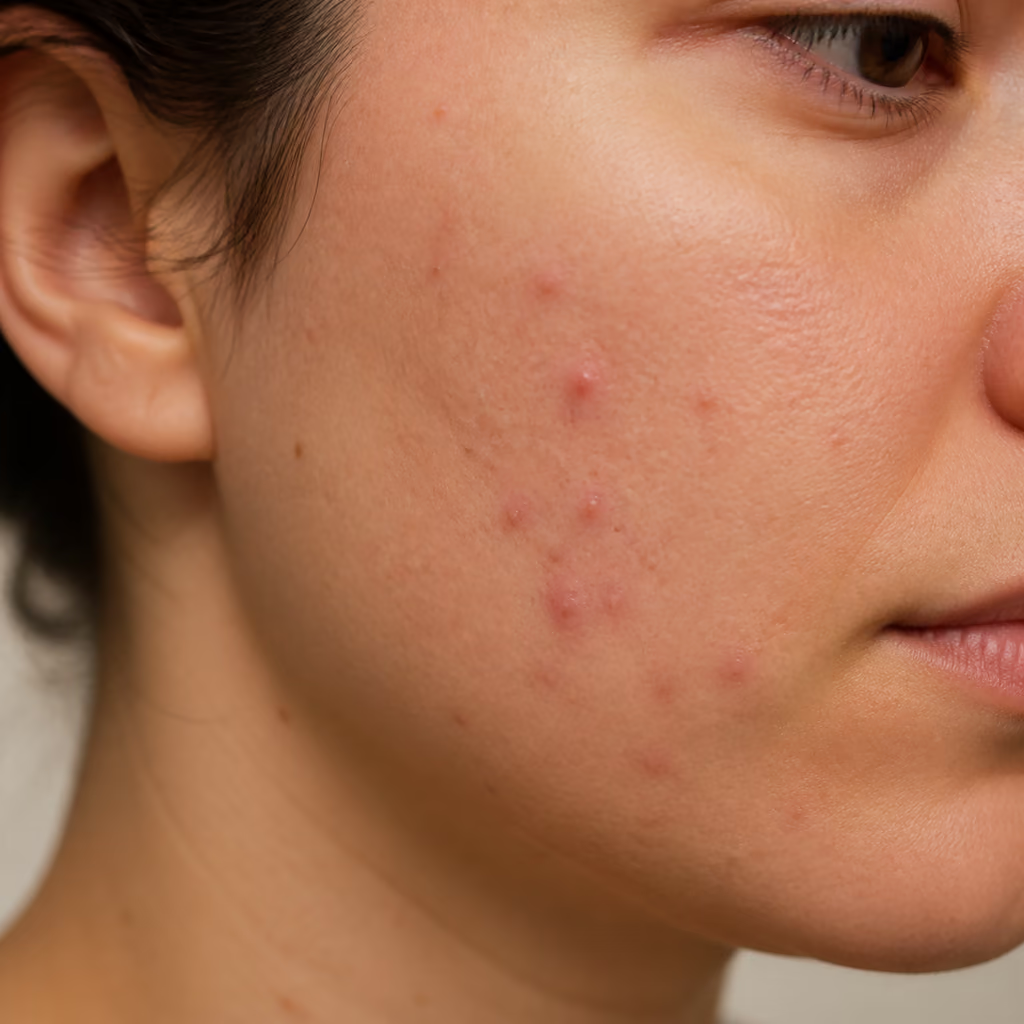
Inflammatory acne may include red, tender spots at different stages.
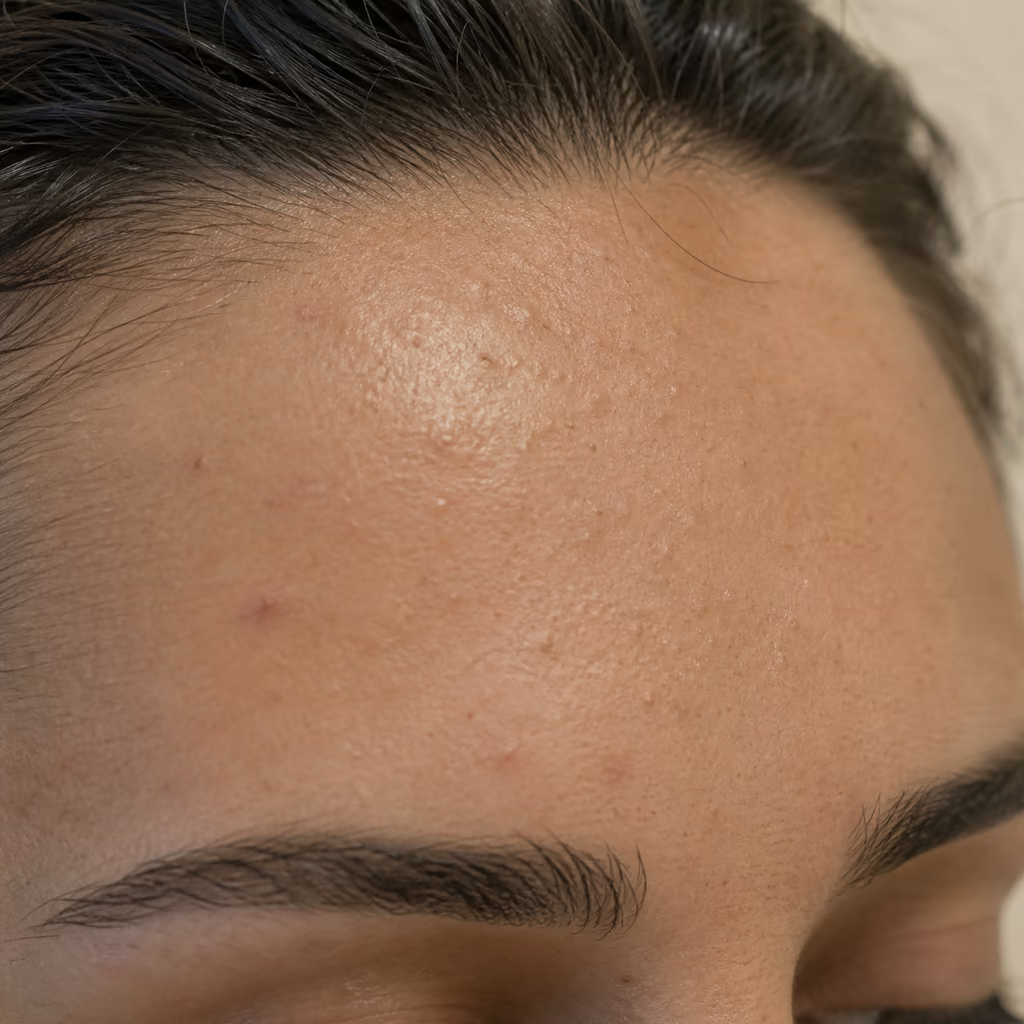
Comedonal acne can appear as skin-coloured bumps, whiteheads or blackheads.
Acne is a multi-factor condition involving oil production, pore blockage, inflammation and sometimes hormonal influence.
Overactive oil glands contribute to clogged pores and provide an environment where acne can develop.

Dead skin cells and oil blocking pores
When surface renewal slows or when products are not suited to the skin, pores can become blocked, trapping oil and bacteria.
Blocked pores trigger inflammation which can lead to red, painful bumps or deeper nodules.
Hormones can increase oil production and make the skin more reactive, contributing to recurring breakouts.
Stress, sleep quality, humidity, sweating, diet and heavy product use can all influence breakouts.
Acne is common, but persistent inflammation can be uncomfortable and may leave lasting pigment change or scars.
Inflamed or deeper lesions can be tender and affect day-to-day comfort.
Redness or increased pigmentation may remain after the active spot settles.
Deeper inflammation and picking increase the chance of permanent textural change.
Some people find acne affects wellbeing or confidence; support should remain non-judgmental and individual.
Acne can affect teenagers and adults of any gender. It is not a sign of poor hygiene, and usually reflects several interacting factors.
Puberty, menstrual cycles, pregnancy and other hormonal changes can influence oil production and inflammation.
Occlusive products, helmets, masks and repeated friction can contribute in some people.
Genetics can influence acne severity, oil production and the likelihood of scarring.
Some medicines or underlying conditions may contribute and should be assessed by an appropriate clinician.
A consistent, gentle routine can support the skin barrier, but moderate, severe or scarring acne often needs professional assessment.
Seek medical advice rather than relying on cosmetic care alone if acne is painful, rapidly worsening, causing scars, associated with other new symptoms or significantly affecting your wellbeing.
We assess acne type, severity, skin-barrier condition, current products and relevant triggers before suggesting supportive skin treatments or referral.
Comedonal, inflammatory and scarring concerns require different priorities.
Over-cleansing and aggressive exfoliation can worsen irritation, so treatment intensity is adjusted carefully.
Procedures aimed at texture are generally considered only after active inflammation is appropriately controlled.
Medical assessment may be recommended for severe, persistent, painful or scarring acne.
An assessment of acne pattern, current routine and appropriate next steps.
A light-based supportive option that may be considered for selected inflammatory concerns.
Customised skin treatments that can support barrier care and congestion management.
A resurfacing option considered only when suitable for the current skin condition.
A consultation is used to understand your concern, relevant history and goals before any options are discussed. An appointment does not commit you to treatment.
We discuss what you have noticed, your goals, relevant history, current products or treatments, and any symptoms or triggers.
Your clinician assesses the visible pattern and relevant skin, tissue or structural factors that may influence suitability.
Where appropriate, we explain possible options, alternatives, limitations, relevant risks, likely downtime and costs without pressure to proceed.
Treatment is planned only if it is suitable and you wish to proceed. We explain preparation, aftercare and review timing when relevant.
Book a consultation to explore suitable pathways with our clinical team.
Have questions? Click here to contact us.